A Journey of Compassion: How Singaporean Buddhist Funerals Foster Healing and Peace
Grief rarely follows a schedule, yet the days after a death are often full of decisions. Within Singapore's Buddhist community, funeral customs give that difficult period a gentle structure, so families can…
· 2 min
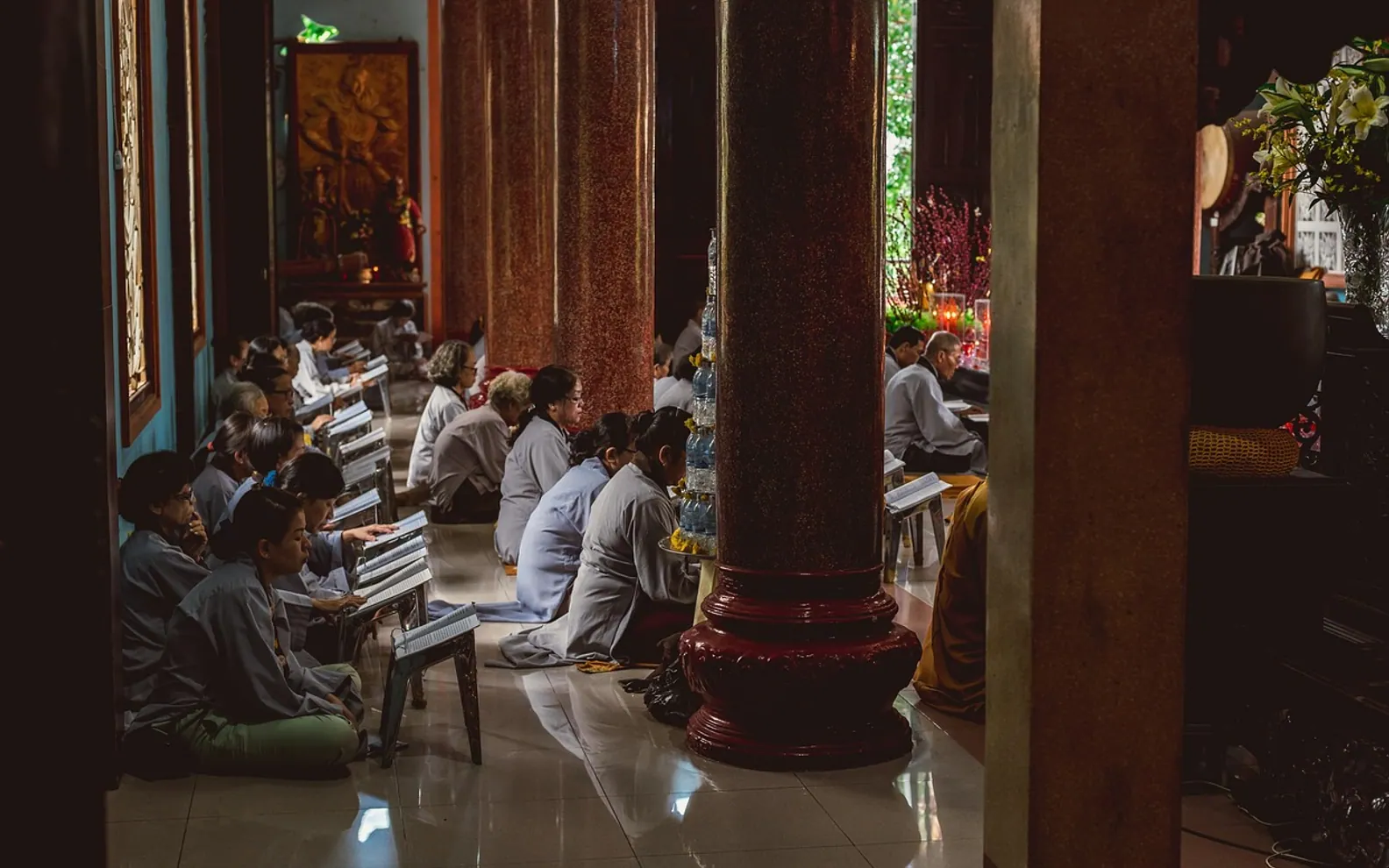
Grief rarely follows a schedule, yet the days after a death are often full of decisions. Within Singapore's Buddhist community, funeral customs give that difficult period a gentle structure, so families can mourn together while honouring the person they have lost.
A ceremony built on impermanence
Buddhist teaching places great weight on the idea that all things change and pass. Funeral rites reflect this view. Rather than treating death only as an ending, the rituals frame it as part of a continuing cycle. For many mourners, hearing this message repeated through chanting and reflection can soften the shock of loss and offer a wider perspective on life.
Practices differ between traditions and families. Some follow Theravada customs, others Mahayana or a blend shaped by Chinese cultural heritage. There is no single correct form, and families are usually encouraged to adapt the observances to their own beliefs.
Rituals that bring people together
Several elements commonly appear in a Buddhist wake or funeral in Singapore:
- Chanting: monks, nuns or lay devotees recite sutras, creating a calm atmosphere and focusing the mind of those present.
- Offerings: flowers, candles, incense and food may be placed at the altar as gestures of respect.
- Merit-making: acts of generosity performed in the name of the deceased, such as donations or kindness to others.
- Quiet reflection: moments of silence or meditation that allow each person to say goodbye in their own way.
These shared actions give friends and relatives something meaningful to do at a time when words often fail.
Space for grief, not pressure to hide it
A wake that runs over several days creates room for visitors to come and go, share memories and support the family. Simple routines, such as tending the altar or welcoming guests, can provide steadiness for those closest to the deceased. Some families also observe memorial gatherings in the weeks that follow, which can help grief unfold gradually rather than all at once.
Everyone mourns differently. If sorrow feels overwhelming or persists in a way that affects daily life, speaking with a counsellor or a trusted health professional can help, alongside any spiritual support.
Practical planning with a calm mind
Alongside the spiritual side, there are practical arrangements: choosing a venue, arranging monks or a chanting group, deciding between burial and cremation, and coordinating with relatives. Many families find it easier when these choices are discussed in advance, sometimes years before they are needed. Understanding the typical Buddhist funeral package cost and what different packages include can reduce stress and prevent rushed decisions at an emotional moment.
When comparing providers, ask for a clear breakdown of services, check which ceremonies are included and confirm any additional charges. A respectful provider should be willing to answer questions patiently and adjust arrangements to the family's tradition.
Compassion that continues
The underlying message of these rites is compassion, both for the person who has died and for those who remain. By giving mourners a framework for remembrance, generosity and reflection, Buddhist funerals in Singapore can help families move, slowly and at their own pace, from sorrow toward a sense of peace.