The Benefits of Using a VPN for Secure IPTV Streaming
Think of a VPN as a sealed envelope for your internet traffic. Instead of sending data where anyone along the route could glance at it, a Virtual Private Network encrypts the connection…
· 2 min
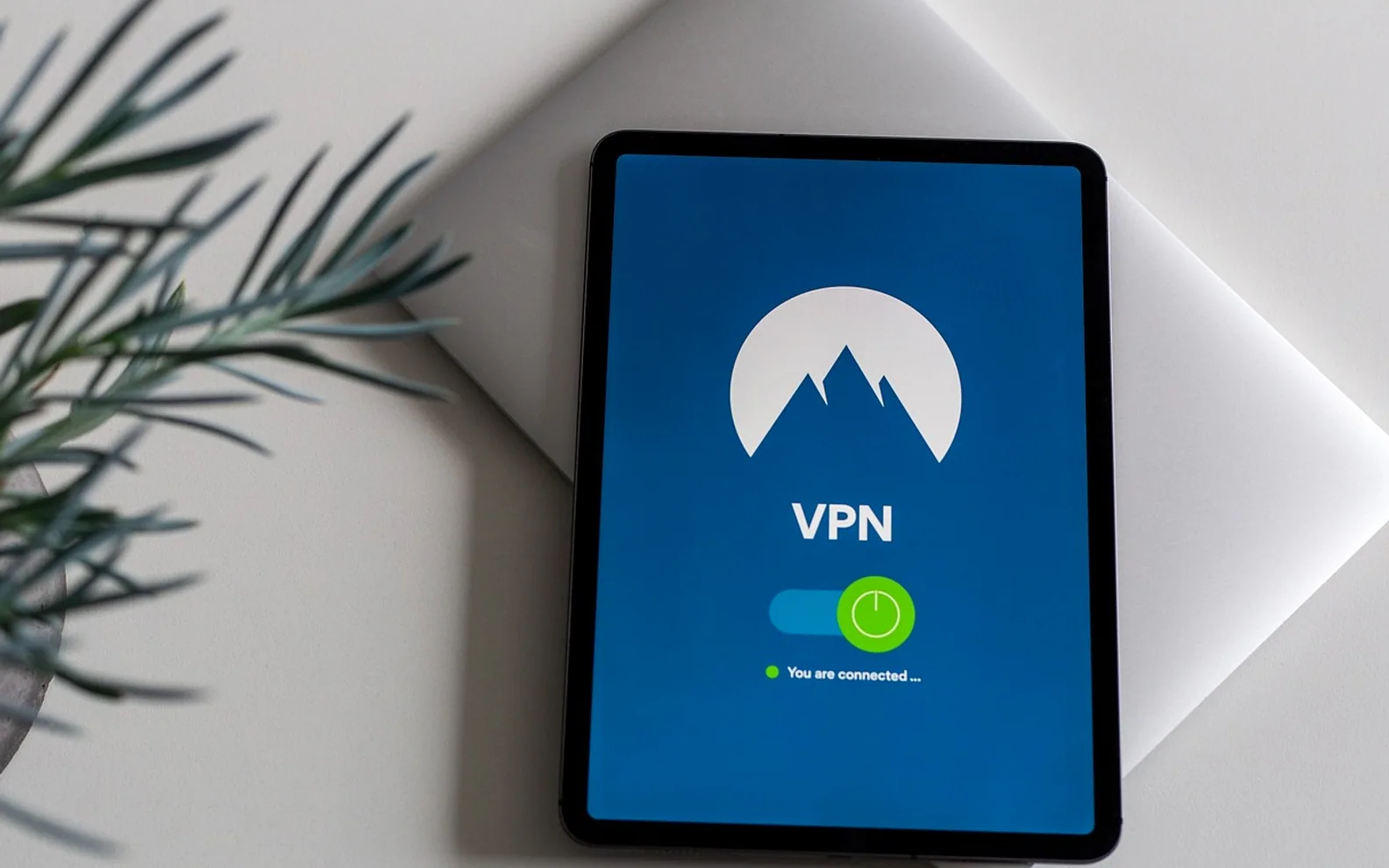
Think of a VPN as a sealed envelope for your internet traffic. Instead of sending data where anyone along the route could glance at it, a Virtual Private Network encrypts the connection between your device and the VPN server. For people who stream television over the internet, that envelope brings some genuine benefits, along with a few limits that are often glossed over.
Privacy on your own connection
Without a VPN, your internet service provider can see which services you connect to. With one, it mainly sees encrypted traffic heading to the VPN server. Many people simply prefer that their viewing habits are not visible to every network they pass through. It is worth remembering that the VPN provider itself can see some of that information instead, so choosing a trustworthy company with a clear privacy policy matters.
Safer streaming on public Wi-Fi
Hotel, café and airport networks are convenient but not always well secured. Logging into a streaming account over an open network can expose your credentials to anyone running the right tools nearby. A VPN encrypts that traffic, which makes it much harder to intercept. For travellers who watch their licensed subscriptions on the road, this is probably the most practical benefit of all.
Steadier streams in some situations
Some networks slow down certain kinds of traffic, especially video, at busy times. Because a VPN hides the type of traffic, it can sometimes help where that kind of throttling is the cause of buffering. It is not a speed booster, though: encryption adds overhead, and a distant or overloaded server can make things slower. Results depend on your connection, the VPN service and the server you choose.
Protection across devices
Many VPN services cover several devices under one plan, including phones, laptops and some smart TVs or streaming sticks. Setting up a VPN on the router can protect everything in the house at once, though it requires a compatible router and a little technical confidence.
What a VPN does not do
- It does not make an unlicensed service legal. Streaming content from a source without distribution rights remains a problem whether or not traffic is encrypted.
- It does not override service terms. Many streaming platforms only license content for particular countries, and using a VPN to get around those limits can breach their terms and lead to account suspension.
- It does not replace basic security. Strong passwords, updated apps and caution with suspicious downloads still matter.
Before subscribing to any IPTV or VPN service, check that the television provider is authorised to offer its channels where you live, and read the VPN's logging and privacy policy.
A sensible way to use one
Used for the right reasons, a VPN is a useful layer of protection: it keeps your traffic private on untrusted networks, can help with certain connection issues and gives peace of mind when travelling. Pair it with a licensed streaming service and good everyday security habits, and it becomes a quiet background tool rather than a shortcut around the rules.