A Guide to Tanzania’s Luxury Safaris: Experience the Serengeti in Style
Dawn on the Serengeti tends to start with a sound rather than a sight: a lion calling somewhere beyond the camp, or the low rumble of wildebeest moving through grass. For travellers…
· 2 min
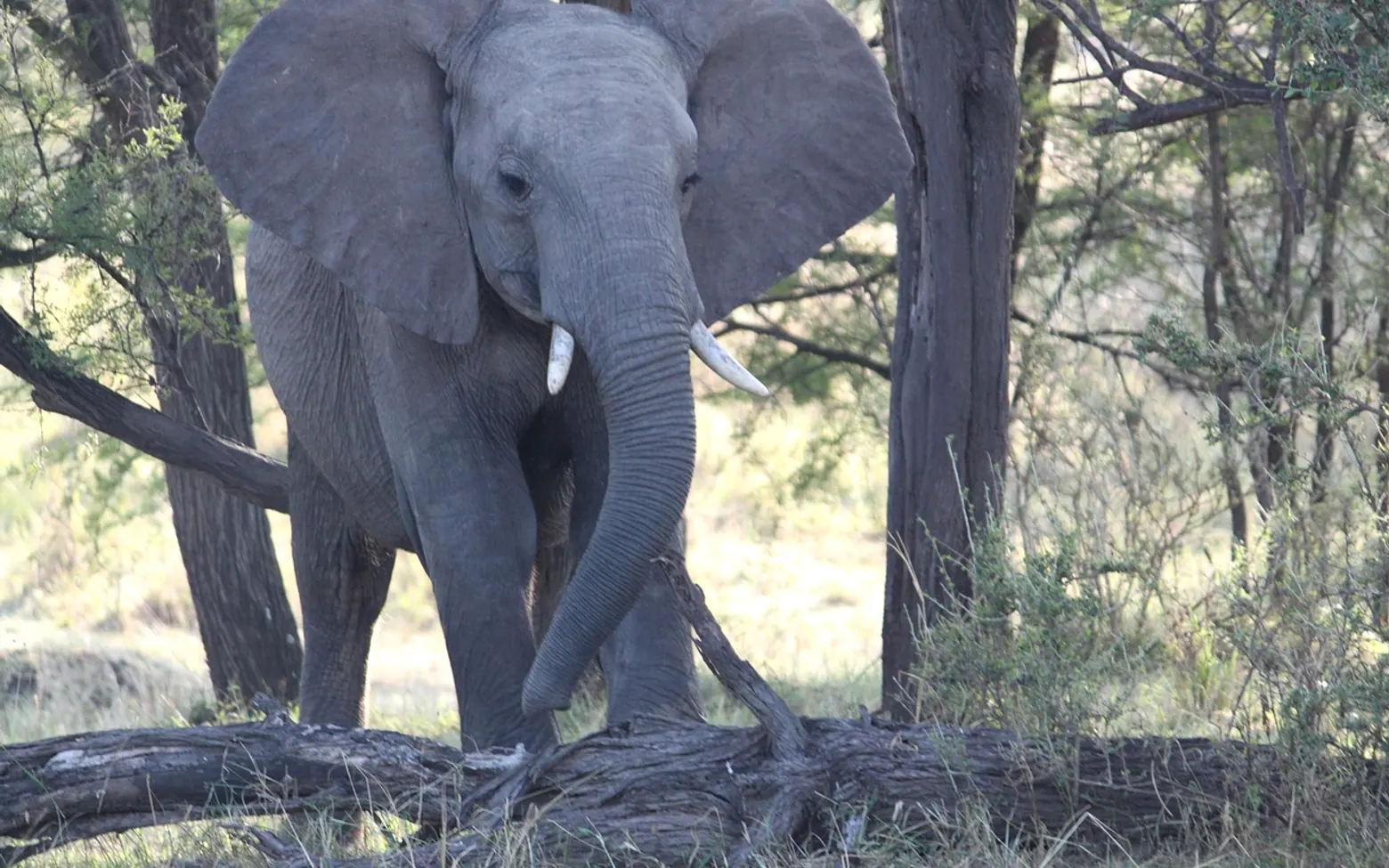
Dawn on the Serengeti tends to start with a sound rather than a sight: a lion calling somewhere beyond the camp, or the low rumble of wildebeest moving through grass. For travellers who want to witness that wilderness without giving up comfort, a Tanzania luxury safari brings together expert guiding, thoughtful accommodation and the space to slow down.
Where you sleep shapes the whole trip
High-end safari stays generally come in two forms. Permanent lodges offer solid walls, larger suites and amenities such as pools, lounges and sometimes spa treatments. Tented camps, by contrast, put a canvas wall between you and the bush while still providing proper beds, private bathrooms and attentive service. Some tented camps move with the seasons to stay close to the herds, which can mean shorter drives to the action.
Neither option is automatically better. Lodges suit travellers who value stability and facilities; tented camps suit those who want to hear the night sounds and feel close to the landscape. Many itineraries combine both.
Private guiding and the pace of the day
One of the clearest differences between standard and premium safaris is control over your time. A private vehicle and guide let you linger at a sighting for as long as it holds your interest, leave early for the best light, or return to camp when the heat builds. Good guides read animal behaviour, know the terrain and explain what you are seeing, which turns a drive into a much richer experience.
Depending on the area and the operator, extras may include walking safaris with armed rangers, hot-air balloon flights at sunrise, or visits to cultural sites. Availability varies by season and park rules, so confirm what is permitted before you book.
Timing your visit
The Serengeti is rewarding throughout the year, but the experience changes with the seasons. The movement of the great herds follows rainfall, so the region where they gather shifts across the months. River crossings, calving periods and drier spells each have their own appeal. A knowledgeable planner can match dates to what you most want to see and steer you toward camps in the right part of the ecosystem.
Getting around in comfort
Distances in northern Tanzania are large and roads can be rough. Many luxury itineraries use light aircraft to hop between airstrips, cutting long transfers down to short flights. Luggage limits on these small planes are usually strict, often requiring soft bags, so pack accordingly and check the operator's guidance in advance.
Food, rest and small luxuries
Meals at top camps can be surprisingly refined, from breakfasts served in the bush to dinners under the stars. Most kitchens cater to dietary needs if told in advance. Midday breaks are part of the rhythm of safari life, so a shaded deck, a book and a pair of binoculars are often all you need between drives.
Choosing responsibly
Luxury and conservation can support each other. When comparing operators, ask how camps manage water and waste, whether they employ local staff, and how they contribute to community or wildlife projects. Respect park regulations, keep a calm distance from animals and follow your guide's instructions. Practical matters such as travel insurance, vaccinations and entry requirements should be checked with official sources and a travel health professional well before departure.
Latest by topic
Editor’s picks
 FashionLaundry Symbols Explained: How to Read a Clothing Care Label5 min
 EntertainmentIPTV in Belgium: The New Standard for Home Entertainment2 min
 Guides & TipsEnhancing Query Performance in Vector Databases for RAG Systems2 min
 Guides & TipsChoosing Plumbing Services With Confidence: Signals of Quality, Value, and Long-Term Care2 min