What Is a MacGuffin? The Plot Device Everyone Chases
A briefcase nobody opens, a statuette everyone wants, secrets that never get explained. How the MacGuffin keeps a story moving while barely mattering itself.
· 3 min
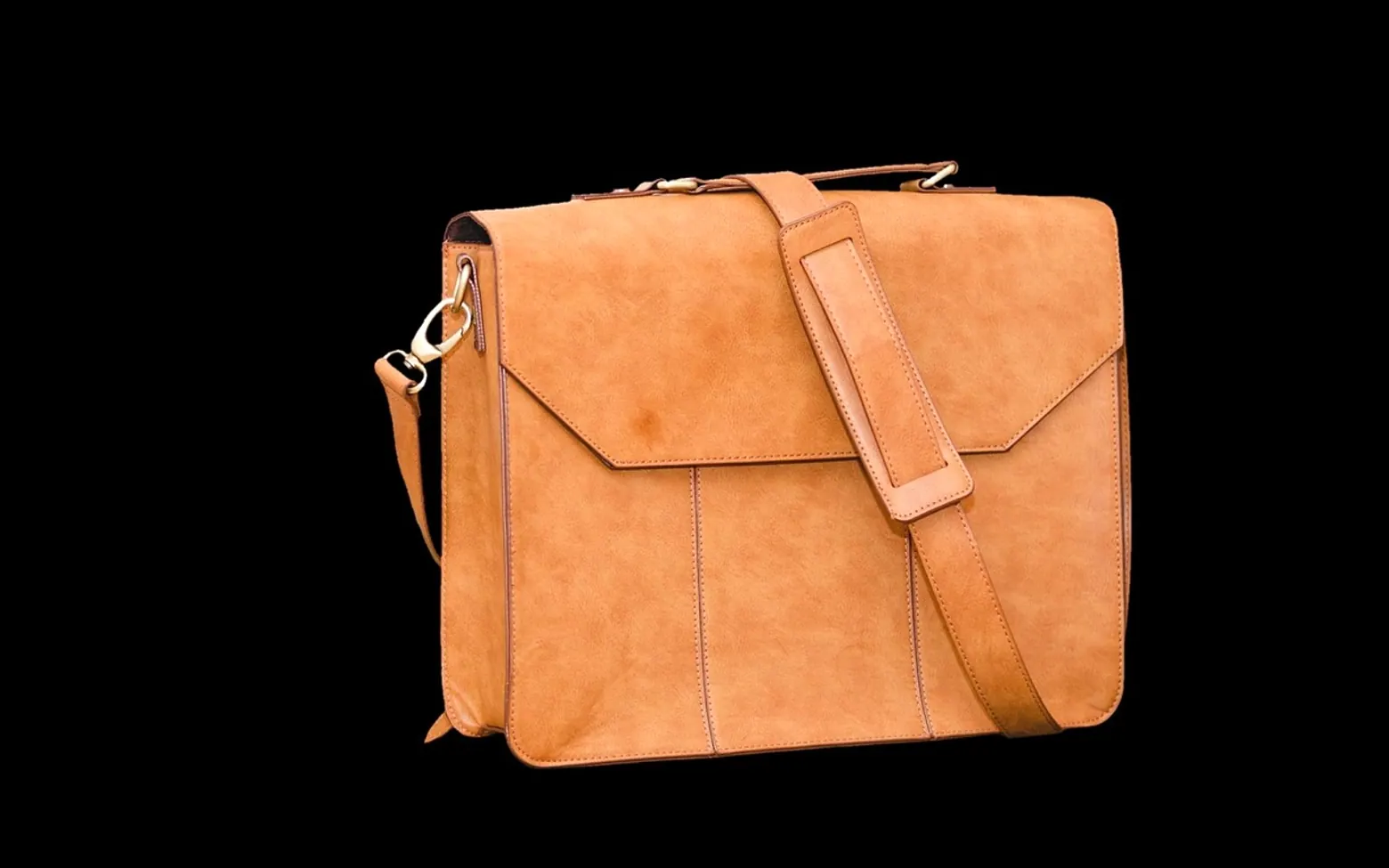
A MacGuffin is an object, goal or piece of information that the characters in a story desperately want, but that matters very little to the audience in itself. Its job is to set the plot in motion and give everyone a reason to chase, scheme and fight. What it actually is could often be swapped for something else without changing the story much.
Where the term comes from
The word is most closely linked to Alfred Hitchcock, who used it to describe the "thing" his spies and crooks were after. The term is often credited to his screenwriting collaborator Angus MacPhail. In interviews, Hitchcock liked to explain it with a shaggy-dog story about a mysterious apparatus whose purpose turns out not to exist, which neatly sums up the idea: what the MacGuffin is hardly matters, as long as the characters care about it.
In Hitchcock's spy thrillers, the MacGuffin is usually a secret: plans, formulas, a hidden message. The audience follows the danger and the relationships, not the technical details of the stolen papers.
Classic examples
| Film | The MacGuffin | Why it works |
|---|---|---|
| The Maltese Falcon (1941) | A jewelled bird statuette | Everyone lies, steals and double-crosses for it; the people matter more than the prize |
| North by Northwest (1959) | Government secrets | Barely explained; the story is about a man on the run |
| Psycho (1960) | Stolen money | Pulls the audience into one story before the film swerves into another |
| Pulp Fiction (1994) | A glowing briefcase | Its contents are never shown, which became part of its fame |
| Mission: Impossible III (2006) | The "Rabbit's Foot" | Its nature is never clarified, a knowing nod to the tradition |
Treasure maps, stolen diamonds, secret codes, missing heirs and quest artefacts all appear regularly as MacGuffins across adventure, heist and spy stories.
How a MacGuffin works in a story
- It creates a goal. Characters now want something concrete, which gives scenes direction.
- It creates conflict. Several parties want the same thing, so they clash.
- It moves people around. The chase takes characters to new places and forces them together.
- It steps aside. By the end, the story is really about loyalty, love, survival or identity, and the object often fades in importance.
MacGuffin vs similar ideas
Chekhov's gun
Chekhov's gun is the principle that a detail introduced early should pay off later. It is the opposite of a MacGuffin in one sense: the gun on the wall must matter, while the MacGuffin's specifics usually don't.
Plot device
A plot device is any element used to drive the story forward. A MacGuffin is one particular kind, defined by being wanted rather than by what it does.
Red herring
A red herring is a clue designed to mislead. A MacGuffin isn't deceptive; it is simply less important than it seems to the characters.
When the object really matters
Some quest objects turn out to be crucial, with powers or meaning that shape the ending. Fans often debate whether those still count as MacGuffins. A useful test: if you replaced the object with something else, would the story still work?
Why writers keep using them
- Economy. One object can explain why strangers meet, fight and travel.
- Flexibility. The object can be anything the setting needs, from a microfilm to a magic stone.
- Focus. Because the audience doesn't need to understand the prize, attention stays on characters and suspense.
- Budget-friendliness. A briefcase or envelope costs little, which is why cheap thrillers lean on them; our explainer on what a B-movie is looks at that low-budget tradition.
Spotting MacGuffins at home
Once you know the idea, you'll see it everywhere. Next time you choose a heist or spy film, try a small game: guess the MacGuffin in the first ten minutes, then notice how little screen time it gets. It is a good group activity for an outdoor movie night. Talking about the MacGuffin is usually safe, too, since knowing what everyone chases rarely gives anything away; our guide to spoiler etiquette covers what is fair to share.
The idea also works outside cinema. A children's party treasure hunt is built on the same principle: the prize at the end matters less than the clues and the running about. Our guide to creative birthday invitations has ideas for setting the theme from the start.
Common questions
How do you pronounce MacGuffin?
"Mac-GUFF-in", with the stress on the middle syllable. It is sometimes spelled McGuffin.
Is a MacGuffin a sign of lazy writing?
Not in itself. Used well, it frees a story to focus on people and suspense. It only feels lazy when the chase has nothing else going for it.
Latest by topic
Editor’s picks
 FashionLaundry Symbols Explained: How to Read a Clothing Care Label5 min
 EntertainmentIPTV in Belgium: The New Standard for Home Entertainment2 min
 Guides & TipsEnhancing Query Performance in Vector Databases for RAG Systems2 min
 Guides & TipsChoosing Plumbing Services With Confidence: Signals of Quality, Value, and Long-Term Care2 min