IPTV in Belgium: The New Standard for Home Entertainment
Ask three Belgian households how they watch television and you may get three very different answers: one still flicks through a cable lineup, another streams almost everything on a laptop, and a…
· 2 min

Ask three Belgian households how they watch television and you may get three very different answers: one still flicks through a cable lineup, another streams almost everything on a laptop, and a third mixes live news in French with Dutch-language series and football from abroad. That variety is exactly why internet-delivered television has found such fertile ground in the country.
A plain explanation of the technology
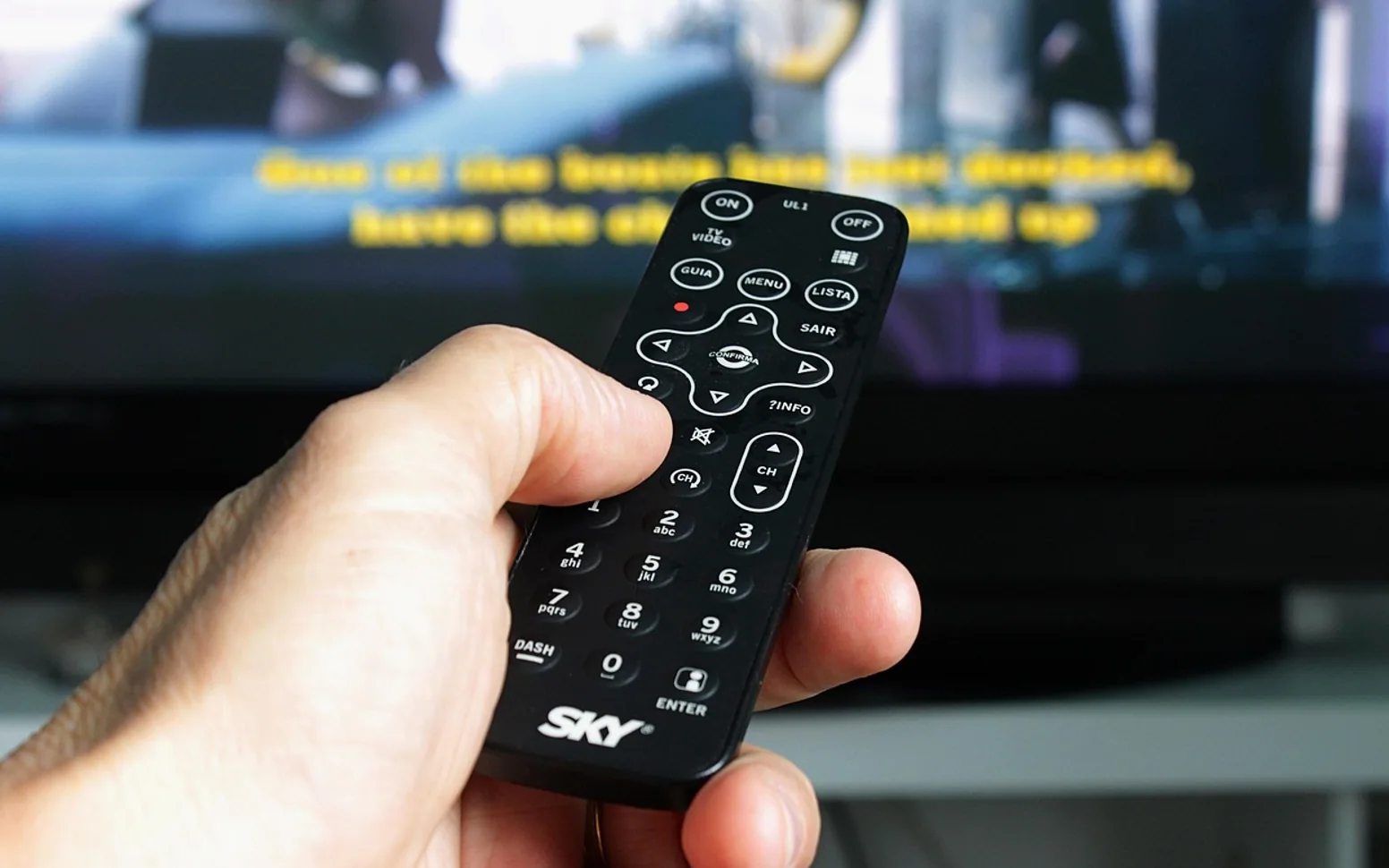
Internet Protocol television sends channels and programmes over a broadband connection instead of a coaxial cable or satellite dish. The viewer usually watches through an app on a smart TV, a streaming box, a tablet or a phone. Beyond live channels, most services add catch-up, pause and a library of shows and films to start whenever it suits. For many people the difference feels less like new technology and more like television finally behaving like the rest of their digital life.
Why it suits Belgium in particular
- Several languages under one roof. Households often want French, Dutch and sometimes German or English channels. Flexible packages make that easier than a single fixed regional bundle.
- Sport across borders. Belgian fans follow domestic leagues and also the big competitions in neighbouring countries, and internet services can group these in one interface.
- Busy routines. Replay and on-demand viewing mean the evening news or a match highlights show can wait until the children are in bed.
- More screens. A family can watch different things in different rooms on the same connection, within the limits of the plan.
Checklist before choosing a service
- Licensing first. Make sure the provider is authorised to distribute the channels it offers in Belgium. Legitimate services are clear about who they are, how billing works and how to cancel.
- Channel and language mix. Compare the actual list against what your household watches rather than the headline number of channels.
- Stream stability. A free trial or short first term lets you see how the service performs on your own connection at busy times.
- Device support. Confirm the app runs on your television or box before paying.
- Support and terms. Look for reachable customer service and transparent contract conditions.
Comparison sites can be a useful starting point when you want an overview of IP TV options in the country, but treat any listing as a shortlist and verify the provider's licensing and terms yourself.
What daily life looks like afterwards
For households that switch, the most noticeable change is often control. Programmes stop dictating dinner times, missed episodes become a minor inconvenience, and one subscription can serve a whole family with different tastes. There are trade-offs: quality depends on the broadband line and home Wi-Fi, and a slow connection can spoil a live match. A wired link to the main television and a router placed sensibly usually help.
A new normal, with sensible expectations
Internet television is not magic, and it will not suit every home on day one. Yet for Belgian viewers who juggle languages, sports and busy schedules, it increasingly looks like the natural way to watch. Pick a licensed provider, test it on your own setup, and keep an eye on the contract terms, and the move can be a genuine upgrade to the living room.
Latest by topic
Editor’s picks
 FashionLaundry Symbols Explained: How to Read a Clothing Care Label5 min
- EntertainmentIPTV in Belgium: The New Standard for Home Entertainment2 min
 Guides & TipsEnhancing Query Performance in Vector Databases for RAG Systems2 min
 Guides & TipsChoosing Plumbing Services With Confidence: Signals of Quality, Value, and Long-Term Care2 min