What Is a B-Movie? Meaning, History and Why They Still Matter
The term began as the lower half of a cinema double bill and turned into a badge for cheap, fast, inventive genre films. Where B-movies came from and why they last.
· 4 min
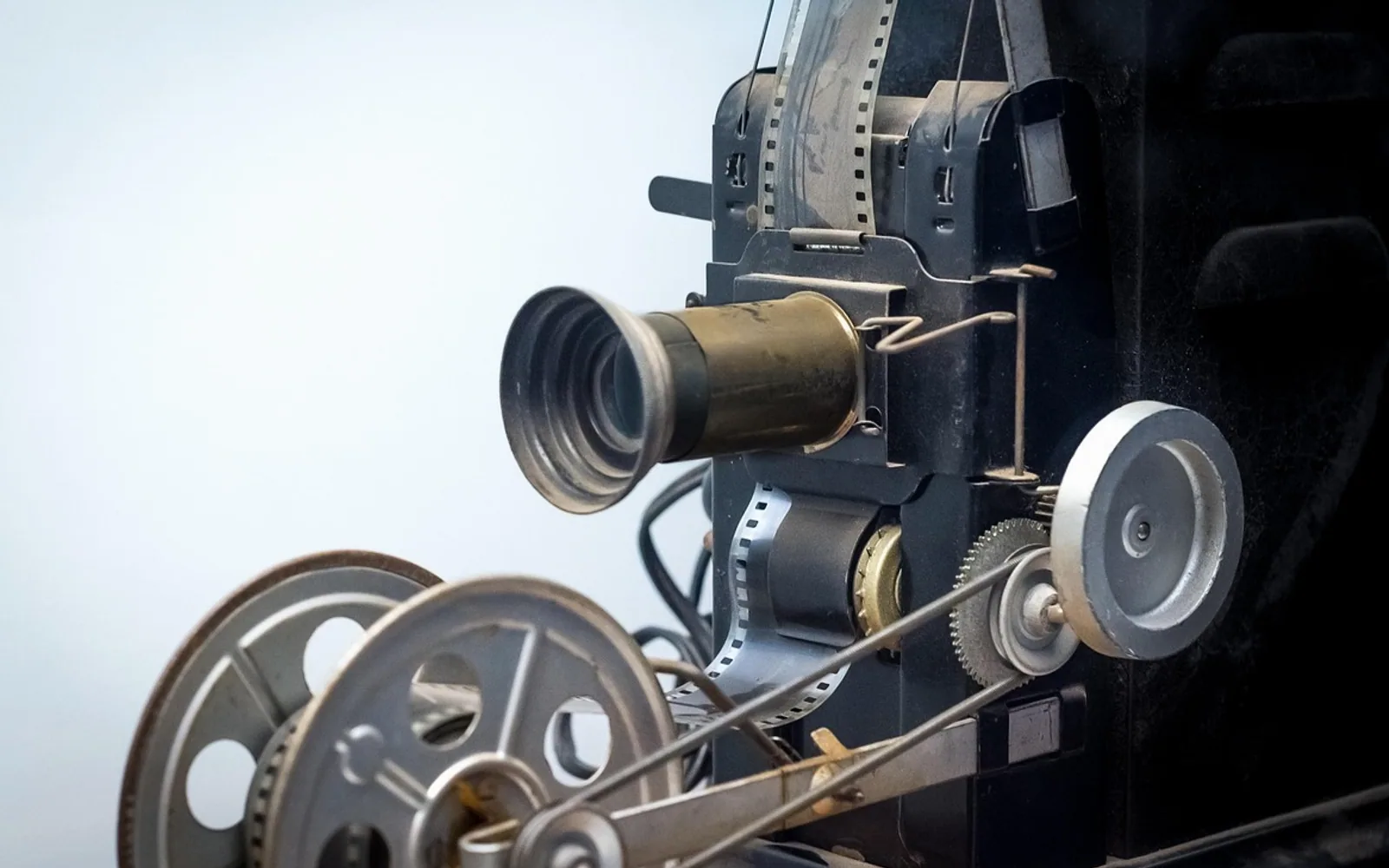
A B-movie is a low-budget film made quickly and cheaply, usually in a popular genre such as horror, science fiction, crime or westerns. The term started as a literal label: in the 1930s and 1940s, cinemas showed a double bill made up of a prestige "A" picture and a shorter, cheaper "B" picture. Today it describes any modest production that trades polish for speed, energy and a strong hook.
B-movie meaning: where the letter comes from
During Hollywood's studio era, a cinema ticket often bought a full programme: newsreel, cartoon, the main feature and a second feature. Studios set up dedicated units to churn out those second features on tight schedules, with smaller casts, reused sets and running times that were often barely over an hour. Small independent outfits, nicknamed "Poverty Row" studios, specialised in them.
The B picture was usually rented to cinemas for a flat fee rather than a share of ticket sales. That meant its earnings were predictable but limited, so budgets stayed small and the films had to be made fast.
How the B-movie changed over the decades
| Era | What B-movies looked like |
|---|---|
| 1930s–1940s | Studio second features: westerns, mysteries, serial-style adventures and lean crime films |
| 1950s | The double bill fades; independent producers target teenagers and drive-ins with monsters, aliens and atomic-age fears |
| 1960s–1970s | Exploitation films, biker films and low-cost horror; many future directors and actors get their start |
| 1980s–1990s | Home video creates a huge market for direct-to-video action, horror and sci-fi |
| Today | Streaming and cable channels commission cheap, fast genre films, some made deliberately silly |
The double feature declined after a late-1940s court ruling ended the big studios' ownership of cinema chains, and television soon competed for audiences. The B-movie survived by changing form, moving into drive-ins, late-night TV and later the video shop.
What makes a film a B-movie today
- A small budget relative to mainstream releases.
- A genre hook that can be sold in one line: a giant creature, an alien invasion, a killer in the woods.
- A fast schedule, with few retakes and limited locations.
- Lesser-known casts, sometimes including rising talent or familiar faces from earlier decades.
- A willingness to be odd. Without much money at stake, filmmakers could take risks larger productions avoided.
B-movie is not automatically an insult. Some of the most admired genre films were made under B conditions; Cat People (1942) and Detour (1945) are often praised precisely for what they achieved with very little. Tight constraints pushed filmmakers towards shadows, suggestion and sharp editing instead of spectacle.
B-movie vs related labels
- A-picture: the studio's main, higher-budget release.
- Z-movie: an informal term for something made with even fewer resources, often with obvious technical flaws.
- Exploitation film: a low-budget film built around a sensational subject to draw a crowd.
- Midnight or cult favourite: any film, cheap or not, that gathers a devoted following later.
- Mockbuster: a cheap film released to ride on the name recognition of a big studio hit.
Why B-movies still matter
A training ground
Low-budget production has long been where directors, writers, editors and actors learn the craft. Working quickly with few resources teaches problem-solving that carries over to bigger projects.
A home for new ideas
Many genre conventions now taken for granted, from creature designs to twist endings, were tried out cheaply first. When the stakes are low, experiments are easier to approve.
Pure entertainment
Plenty of viewers enjoy B-movies for their sincerity, their daft dialogue or their inventive effects. Watching them with friends, with commentary flowing freely, is a tradition of its own.
How to start watching
- Pick an era. Classic 1940s B noir and 1950s sci-fi are good entry points because they are short and brisk.
- Watch in a group. B-movies are made for shared reactions; they suit a garden screening, and our outdoor movie night ideas cover the setup.
- Look for restored versions. Many older films have been cleaned up for home release, and a good transfer on a capable screen makes a real difference; our guide to HDR on a TV explains what modern sets add.
- Check where they live. Older and smaller titles move between free ad-supported services, rental stores and subscription libraries; our comparison of cable, streaming and IPTV sets out the main options.
Spotting the clever shortcuts is half the fun. Many cheap thrillers hang the whole plot on a mysterious object, a trick covered in our explainer on what a MacGuffin is.
Common questions
Is a B-movie the same as a bad movie?
No. The label describes how a film was made and marketed, not its quality. Some B-movies are clumsy, while others are sharper than the A pictures they once supported.
Are B-movies still being made?
Yes. Low-budget genre films are made constantly for streaming, television and direct release, even if the double bill has gone.
Latest by topic
Editor’s picks
 FashionLaundry Symbols Explained: How to Read a Clothing Care Label5 min
 EntertainmentIPTV in Belgium: The New Standard for Home Entertainment2 min
 Guides & TipsEnhancing Query Performance in Vector Databases for RAG Systems2 min
 Guides & TipsChoosing Plumbing Services With Confidence: Signals of Quality, Value, and Long-Term Care2 min