Family-Friendly Seoul with Kids: Parks, Museums, Food and Easy Days
Seoul works well for families who plan around energy rather than sights. Parks, indoor attractions, short palace walks, simple food, subway and stroller tips, and an afternoon in a karaoke room.
· 5 min
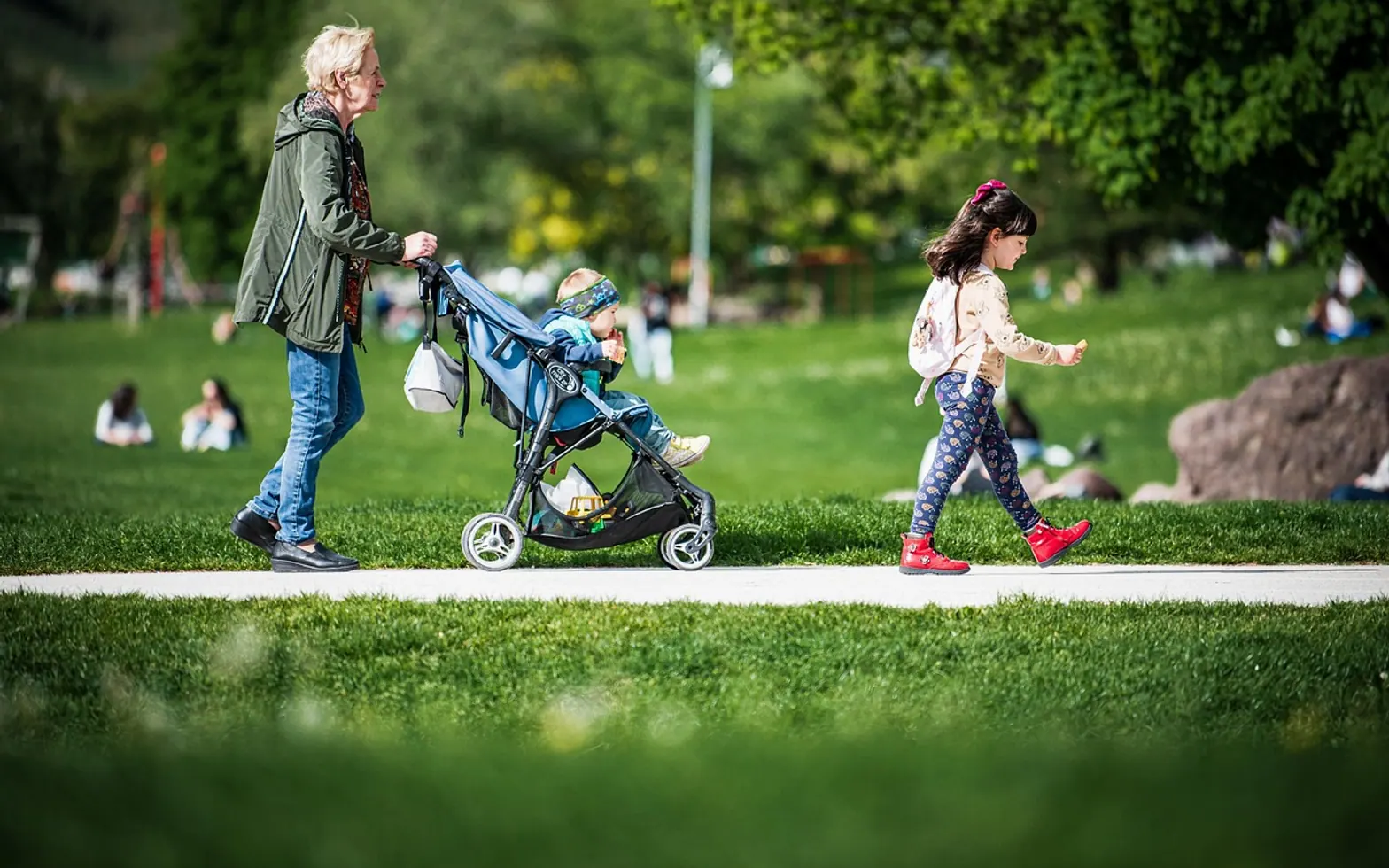
Seoul is an easy city to visit with children if you build each day around one main activity, a park or playground, a proper meal and a rest. The city has wide riverside parks, many indoor attractions for rainy or very hot days, palaces that can be seen in an hour, and a subway that is clean and well signed. The places themselves are rarely the problem; the pace is. Plan fewer stops than you would as adults, and leave room for snacks and naps.
Outdoors: river parks and playgrounds
The Han River runs through the middle of the city, and both banks are lined with parks connected by long cycle and walking paths. For families they are the simplest outing in Seoul: open lawns for running, playgrounds, rental bicycles in some areas, convenience stores for drinks, and plenty of space to spread a picnic mat.
Beyond the river, neighbourhood playgrounds are common in residential areas and apartment complexes, and larger city parks often include water play areas in summer and wide paths for scooters. Smaller parks around the old city walls and hills offer short, gentle walks with views, though some have stairs that are awkward with a pushchair.
Indoors: museums, the aquarium and big attractions
When the weather turns, Seoul has a lot under a roof. Several of the large national and city museums have dedicated children's sections with hands-on displays, play areas and simple activities. Booking ahead is sometimes required for children's areas, so check before you go.
There is also a large aquarium inside a shopping and office complex, which pairs well with a meal in the same building, and several big indoor theme parks and play centres. These are popular with local families at weekends and during school holidays, so a weekday visit is usually more relaxed.
Which kind of day suits your children?
| If your children… | Try | Keep in mind |
|---|---|---|
| need to burn off energy | A Han River park or a big playground | Bring sun protection and water; shade can be limited. |
| like touching and building | A museum's children's section | Some need advance booking for set time slots. |
| love animals | The aquarium | Busy at weekends; go early in the day. |
| enjoy dressing up and stories | A short palace visit | Plenty of walking on gravel and uneven ground. |
| are tired of sightseeing | An afternoon karaoke room | Book a room size that fits the whole family. |
Palaces without the meltdown
The royal palaces in central Seoul are beautiful, but large. With young children, treat a palace as a one-hour walk rather than a full tour. Pick a single courtyard or garden to reach, let the children set the pace, and leave while everyone is still happy. A guard-changing ceremony at the main gate can be a good focal point for small children, and families sometimes rent traditional hanbok clothing nearby, which children often enjoy. Gravel paths and steps make a lightweight stroller or a carrier easier than a heavy pushchair.
Food that children will actually eat
Korean food has a reputation for spice, but plenty of everyday dishes are mild:
- Gimbap rolls of rice, egg and vegetables, easy to eat by hand.
- Rice porridge (juk), gentle and filling, common in dedicated porridge shops.
- Noodle soups with a clear broth; ask for no chilli. Our look at regional ramen styles gives a sense of how broad the noodle family is.
- Grilled meat cooked at the table, with rice and plain lettuce wraps.
- Fried chicken, ordered plain rather than in a spicy glaze.
- Bakery snacks from the many cafés and bakery chains.
Convenience stores are everywhere and handy for milk, fruit, yogurt and bottled water. If your child has a food allergy, carry a written note in Korean and check ingredients carefully, as sauces and stocks may contain common allergens; your doctor can advise on what to pack.
Getting around: subway, strollers and timing
The subway is the easiest way around. Stations have lifts, although on some older lines they are at only one exit, so it can pay to look at a station map before leaving the platform. Seats near the ends of carriages are reserved for elderly, pregnant and disabled passengers, and locals expect them to stay free. Rush hours are crowded; travelling mid-morning or mid-afternoon is calmer with a stroller.
- Pack light. A compact, foldable stroller is far easier on stairs and escalators than a large one.
- Use a transport card. Rechargeable cards save buying single tickets each time.
- Plan short hops. Two or three stations between stops is plenty for small legs.
- Find the toilets. Stations and department stores usually have clean facilities, often with baby-changing rooms.
Naps, snacks and the shape of the day
The families who enjoy Seoul most tend to plan around the children's rhythm rather than the sights. A morning activity, an early lunch, a rest back at the hotel or in a stroller, then a lighter afternoon works for most ages. Keep a small bag with snacks, water, wipes and a spare layer, since air-conditioning indoors can be cool even when it is hot outside. Long travel days with lots of screens can leave children wired at bedtime; some of the ideas in our piece on a calm approach to screen time carry over well to trips.
A family afternoon in a karaoke room
Karaoke rooms, known as noraebang, are a normal family activity in Korea. You rent a private room for an hour or two, with sofas, a screen and microphones, and sing from a catalogue that usually includes children's songs, animated film themes and English-language pop. Afternoons are the quietest time and tend to suit families. Many areas have them, including Gangnam, and a Korean-language guide such as https://karaokeofgangnam.com/ is one way to get an overview of the private karaoke rooms in that district before choosing. Keep the session short for younger children, check that the room is clean and well lit, and bring water rather than relying on the snack menu.
Is Seoul suitable for toddlers?
Yes, with planning. Parks, lifts, baby-changing rooms and mild food are widely available. The main challenges are stairs at some exits and crowds at peak times.
What if it rains all day?
Combine an indoor attraction such as the aquarium or a museum's children's section with lunch in the same building, then finish with a karaoke room or a bookshop café.
Keep each day simple, follow the children's energy, and Seoul tends to reward you with relaxed meals, easy transport and plenty of space to play.
Latest by topic
Editor’s picks
 FashionLaundry Symbols Explained: How to Read a Clothing Care Label5 min
 EntertainmentIPTV in Belgium: The New Standard for Home Entertainment2 min
 Guides & TipsEnhancing Query Performance in Vector Databases for RAG Systems2 min
 Guides & TipsChoosing Plumbing Services With Confidence: Signals of Quality, Value, and Long-Term Care2 min