Many Paths to Ramen: Regional Styles and What They Mean for Diners
Steam fogging a window, a stool at a narrow counter, a bowl set down with a quiet nod: ramen is everyday food in Japan, yet it changes noticeably from one region to…
· 2 min
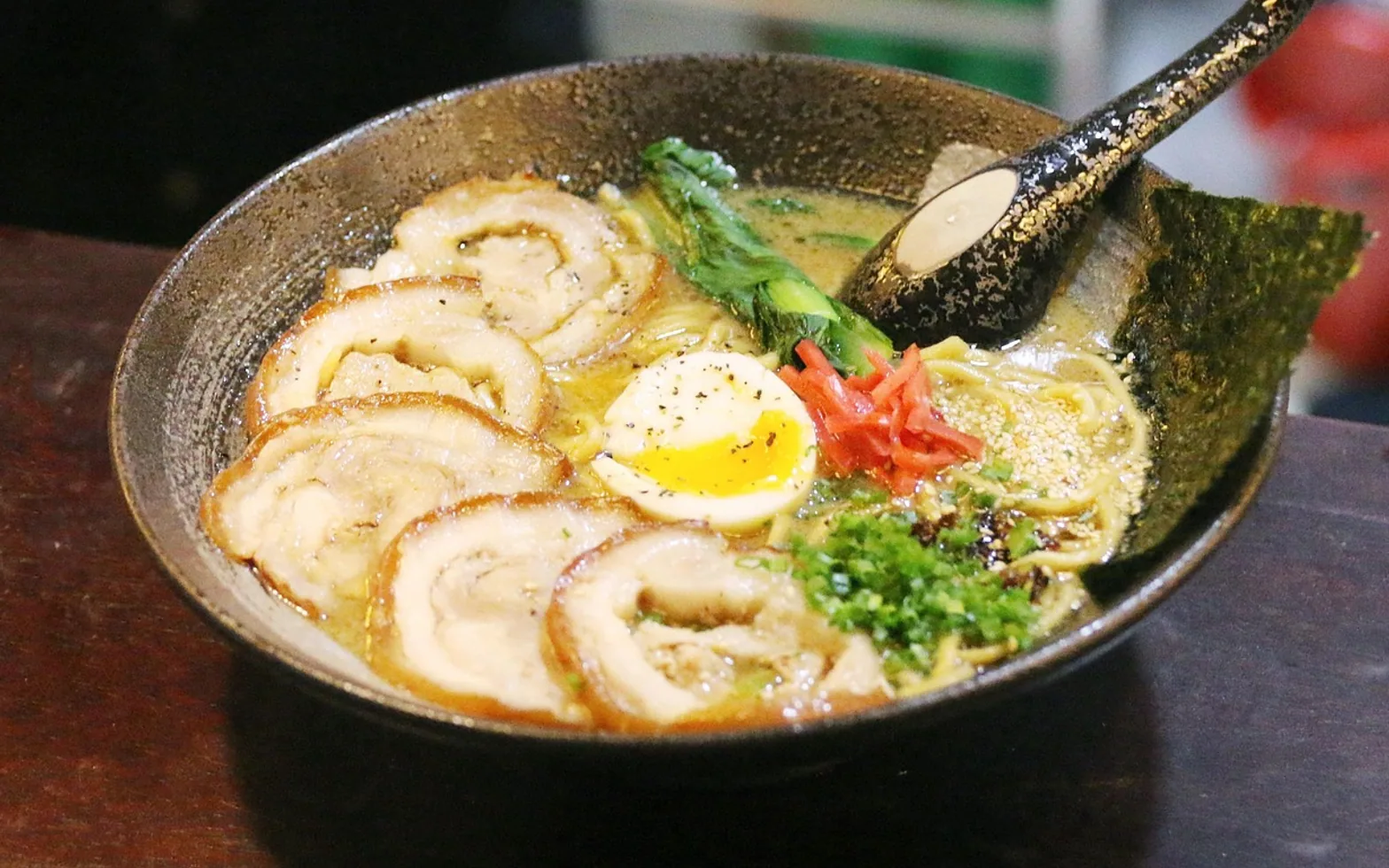
Steam fogging a window, a stool at a narrow counter, a bowl set down with a quiet nod: ramen is everyday food in Japan, yet it changes noticeably from one region to the next. Knowing the broad families of styles makes ordering easier and turns every new menu into something to explore rather than a gamble.
Four building blocks of any bowl
Every bowl comes down to a few elements, and regional styles are really different combinations of them:
- Broth: made from pork, chicken, seafood, vegetables or a blend, simmered briefly for clarity or for hours for body.
- Tare: the seasoning concentrate, usually soy sauce, salt or miso, that gives the soup its main flavour.
- Noodles: thin and straight, thick and wavy, firm or soft, each chosen to hold a particular broth.
- Toppings: sliced pork, soft eggs, bamboo shoots, greens, seaweed, spring onions and more.
The cold north: richness for winter
Long, snowy winters in Hokkaido encouraged hearty bowls. Sapporo is closely associated with miso ramen, often thick and savoury, sometimes topped with sweetcorn and a knob of butter. The noodles tend to be thicker and curly so they carry the dense soup. Elsewhere on the island, salt-based and soy-based styles have their own followers, which shows how even one region holds several traditions.
Tokyo and the centre: clarity and balance
Classic Tokyo-style bowls usually lean on a clear soy-seasoned broth built from chicken and sometimes dried fish. The result is lighter and more aromatic than the northern styles, with thinner, slightly wavy noodles. Many diners consider this the familiar baseline that newer shops play against, adding seafood oils, different stocks or creative toppings.
Kyushu: the creamy south
Fukuoka is famous for tonkotsu, a pork-bone broth cooked long enough to turn opaque and creamy. It pairs with very thin, straight noodles that cook quickly, and some shops let customers choose firmness or order an extra serving of noodles to drop into the leftover soup. The flavour is rich and deep, so it suits diners who enjoy a heavier meal.
Choosing a bowl that suits you
| If you like… | Try… |
|---|---|
| Light, clean flavours | A shio (salt) or clear shoyu bowl |
| Hearty, warming food | Miso ramen with thicker noodles |
| Rich, creamy soups | Tonkotsu with thin noodles |
| Something meat-free | Ask whether the shop offers a vegetable-based broth |
Dietary needs are worth raising before ordering, because many broths contain pork, fish or wheat even when that is not obvious from the name.
Ramen beyond Japan
Abroad, shops often borrow from several regions at once or adapt bowls to local produce. That is part of the fun rather than a loss of authenticity. When you visit a ramen restaurant outside Japan, ask which style a bowl is closest to and how the broth is made; staff are usually happy to explain. Over time you will find your own favourite, and the map of regional styles becomes a guide to new bowls rather than a rulebook.
Latest by topic
Editor’s picks
 FashionLaundry Symbols Explained: How to Read a Clothing Care Label5 min
 EntertainmentIPTV in Belgium: The New Standard for Home Entertainment2 min
 Guides & TipsEnhancing Query Performance in Vector Databases for RAG Systems2 min
 Guides & TipsChoosing Plumbing Services With Confidence: Signals of Quality, Value, and Long-Term Care2 min