Eggshell vs Satin vs Matte: How to Choose a Paint Finish
The colour gets all the attention, but the sheen decides how a wall looks, wears and cleans. Matte, eggshell, satin and gloss compared, with a room-by-room guide.
· 3 min
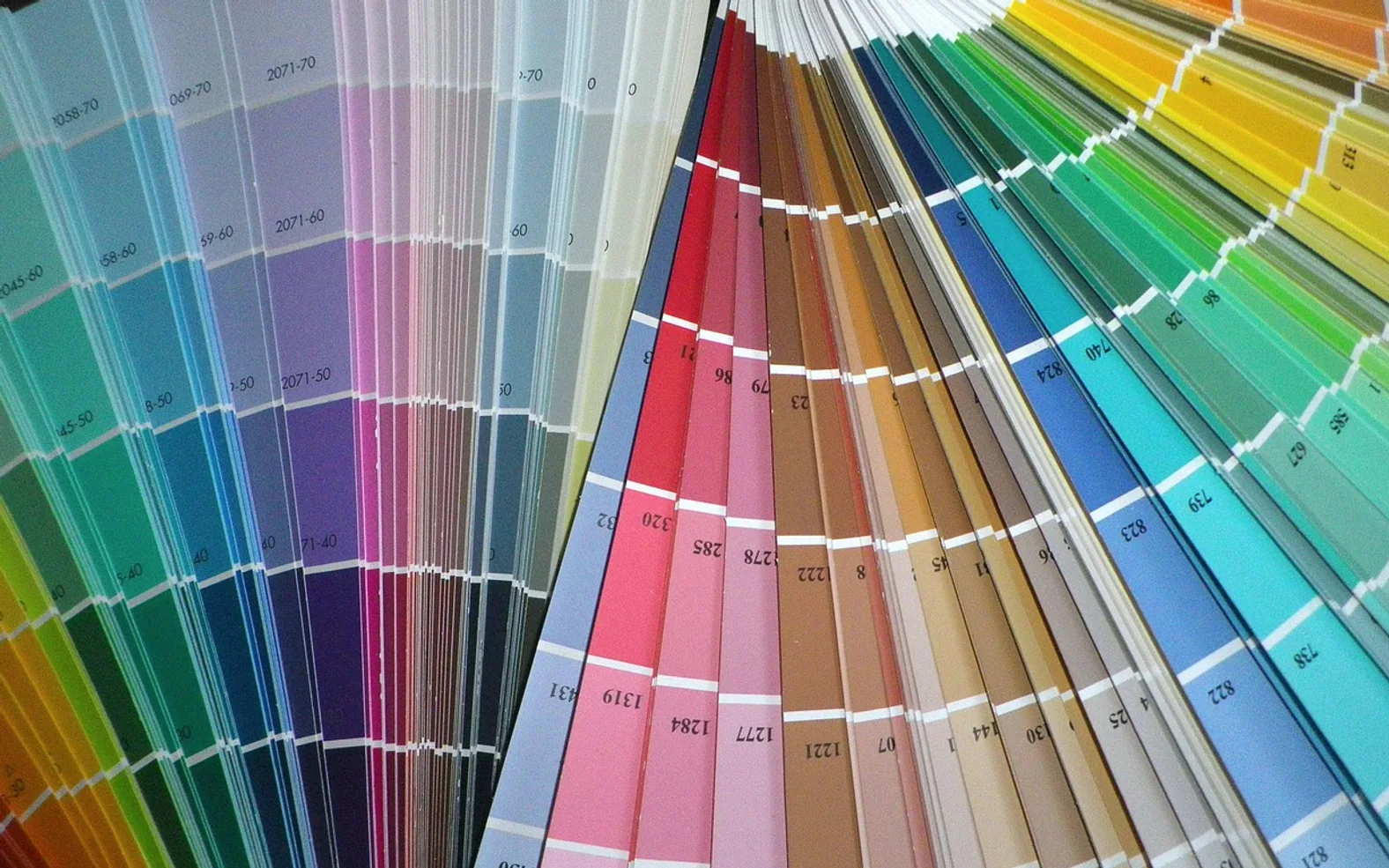
The colour card is settled, the tins are on the counter, and then comes the question that stalls many a decorating weekend: matte, eggshell or satin? The finish, also called the sheen, decides how much light a painted surface reflects. That in turn changes how the colour reads, how visible every dent and patch will be, and how well the wall survives sticky fingers and steam.
The finishes from flat to shiny
Paint finishes sit on a scale from no shine to high shine. Names vary a little between brands, so it is worth looking at a painted sample rather than relying on the label alone.
| Finish | Look | Hides wall flaws | Wipes clean | Typical places |
|---|---|---|---|---|
| Flat / matte | No shine, soft and chalky | Very well | Least easily | Ceilings, bedrooms, quiet living spaces |
| Eggshell | A faint glow, like the shell it is named after | Well | Reasonably | Living rooms, hallways with light traffic, dining rooms |
| Satin | A soft, velvety sheen | Moderately | Well | Kitchens, children's rooms, busy hallways, bathrooms |
| Semi-gloss | Noticeable shine | Poorly | Very well | Doors, skirting boards, window frames, trim |
| Gloss | Mirror-like, hard surface | Very poorly | Best | Trim, furniture, accents |
The rule of thumb behind the table is simple: the more a finish shines, the tougher and more washable it usually is, and the more it shows every bump underneath.
Matte vs eggshell
Matte gives the richest, most even colour and is forgiving on older walls with patched cracks or uneven plaster. Its weakness is cleaning: scrubbing can leave a shiny spot or lift the paint. Eggshell keeps most of that calm look while standing up better to a damp cloth, which is why many people treat it as the default for main living areas.
Eggshell vs satin
This is the comparison that causes the most hesitation, because the two can look close on a small swatch. Satin reflects more light and holds up better to regular wiping, so it suits rooms that see moisture, grease or hands on the walls. Eggshell looks softer in raking light and is less likely to highlight roller marks or repairs. If a wall gets bright side light from a window, eggshell is usually kinder; if it gets splashed, satin is usually the safer bet.
A room-by-room guide
- Ceilings: flat or matte, which hides imperfections and avoids glare.
- Bedrooms and living rooms: matte or eggshell for a relaxed look.
- Hallways and stairs: eggshell or satin, depending on how many bags, bikes and hands brush past.
- Kitchens: satin, or a scrubbable matte labelled for kitchens.
- Bathrooms: satin, or a product made specifically for bathrooms, since steam is hard on flat finishes. Ideas for refreshing a bathroom without a full refit are in our article on bathroom renovation on a budget.
- Trim, doors and skirting: semi-gloss or gloss for durability.
Before you buy
- Paint a large test patch on two walls and look at it in the morning, at midday and under lamps in the evening.
- Check the wall itself. The shinier the planned finish, the more filling and sanding the surface needs first.
- Keep the same finish across a room's walls so touch-ups blend; switching sheen between walls tends to look like a mistake.
- Read the tin for drying times and recoat advice, and keep the room ventilated while you work.
Finish choice matters even more when the wall carries a design. A painted mural is usually sealed with a protective clear coat in a sheen of its own, and our comparison of doing a wall mural yourself or hiring an artist weighs up which route fits which project.
For a whole house, or walls that need serious preparation, a professional crew can advise on sheen as part of the job; our guide on choosing a residential painting contractor lists what to ask before hiring.
Latest by topic
Editor’s picks
 FashionLaundry Symbols Explained: How to Read a Clothing Care Label5 min
 EntertainmentIPTV in Belgium: The New Standard for Home Entertainment2 min
 Guides & TipsEnhancing Query Performance in Vector Databases for RAG Systems2 min
 Guides & TipsChoosing Plumbing Services With Confidence: Signals of Quality, Value, and Long-Term Care2 min