DIY vs. Professional: What’s Best for Your Wall Mural Project?
An empty wall is an open question. It might become a forest scene in a child's bedroom, a city skyline in a home office or a bold abstract in a café. Once…
· 2 min
An empty wall is an open question. It might become a forest scene in a child's bedroom, a city skyline in a home office or a bold abstract in a café. Once the idea is set, the next decision is who will actually make it happen. There are really three routes, and each suits a different combination of budget, time and ambition.
Route one: painting it yourself
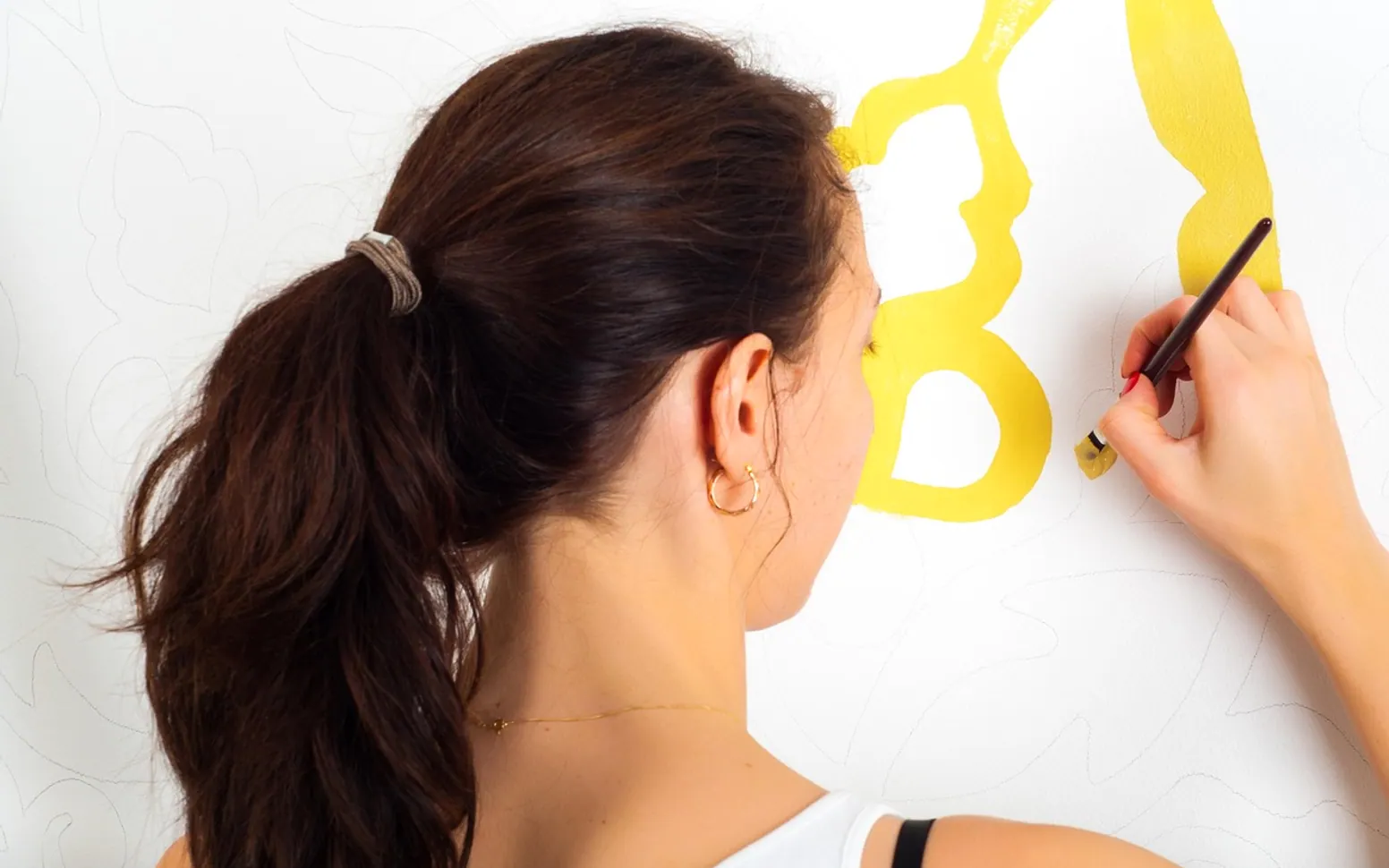
A hand-painted DIY mural is the most personal option. You choose every colour and shape, and the finished wall carries your own marks.
Good reasons to try it: lower material costs, complete creative control and the satisfaction of a project you made. Simple designs such as geometric blocks, stripes, arches or a soft gradient are achievable for many beginners with painter's tape, a level and patience.
Things to weigh: detailed or realistic imagery takes real skill, preparation is time-consuming and mistakes can be hard to hide. Large walls may also require ladders or scaffolding, so think about safety as well as style.
Route two: hiring a professional artist
A muralist brings experience with scale, proportion and paint behaviour on different surfaces. They can translate a rough idea into a polished design and handle complex elements such as portraits, lettering or trompe-l'oeil effects.
Advantages: high-quality, durable results, guidance on design and materials, and less work for you.
Considerations: professional murals cost considerably more, scheduling can take time, and you need to communicate your vision clearly. Ask to see previous work, agree on a design sketch and get a written quote before any paint goes on the wall.
Route three: the middle ground
For people who want a striking look without painting skills or a large budget, printed peel and stick murals for walls offer a practical compromise. They come in panels that you align and press onto a clean, smooth surface. Many can be removed later, which makes them popular with renters and anyone who likes to redecorate often. Results depend on wall condition and careful alignment, so read the installation instructions and check removal guidance for your paint type.
Comparing the three
| Factor | DIY painted | Professional | Peel and stick |
|---|---|---|---|
| Cost | Low | High | Moderate |
| Skill needed | Moderate to high | None from you | Low |
| Time | Days to weeks | Depends on artist | Hours |
| Design freedom | Total | Very high | Choose from designs or custom prints |
| Easy to change later | No | No | Often yes |
Making the call
Start with three honest questions: How complex is the design? How long should it last? How much time and money can you spend? A simple pattern you want to paint for fun points to DIY. A signature piece for a business or a feature wall you plan to keep for years may justify a professional. A quick transformation with flexibility to change later points toward a removable mural. There is no wrong answer, only the one that fits your space and your plans.
Latest by topic
Editor’s picks
 FashionLaundry Symbols Explained: How to Read a Clothing Care Label5 min
 EntertainmentIPTV in Belgium: The New Standard for Home Entertainment2 min
 Guides & TipsEnhancing Query Performance in Vector Databases for RAG Systems2 min
 Guides & TipsChoosing Plumbing Services With Confidence: Signals of Quality, Value, and Long-Term Care2 min