How to Take Body Measurements for Clothes That Fit
A soft tape, a mirror and ten minutes are enough to stop guessing sizes. Where to measure, how tight to pull the tape and how to match the numbers to a size chart.
· 4 min
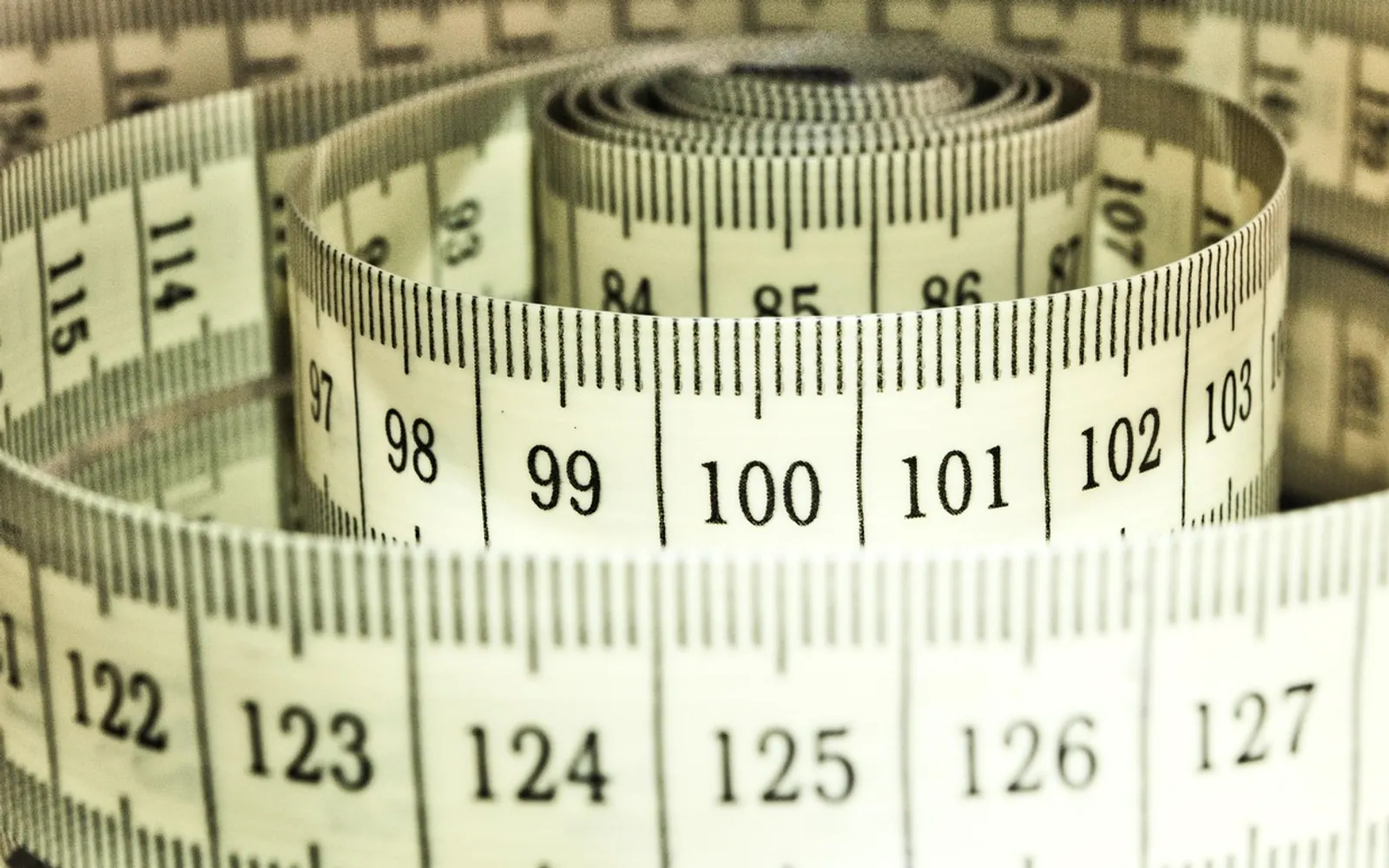
To take body measurements for clothes, use a soft tape measure, wear thin, close-fitting underwear, stand relaxed and keep the tape level and snug without pressing into the skin. Measure chest or bust, waist and hips first, then add inseam, sleeves, neck, wrist and head for specific items. Write everything down, then compare it with each brand's own size chart rather than relying on a size label.
What you need
- A soft, flexible tape measure (a metal tape won't follow the body's curves).
- A mirror, so you can check the tape is level at the back.
- A helper if possible, especially for shoulders, sleeves and inseam.
- A note on your phone or paper, with both centimetres and inches if you shop internationally.
Ground rules for accurate numbers
- Measure over light underwear, or over the type of foundation garment you plan to wear under the clothes.
- Stand naturally with feet together and weight even. Don't hold your breath or pull your stomach in.
- Keep the tape parallel to the floor for every measurement around the body.
- Snug, not tight. You should be able to slip a finger under the tape.
- Measure twice. If the numbers differ, take the average or measure a third time.
The core measurements
Chest or bust
Wrap the tape around the fullest part of the chest, under the arms and across the shoulder blades. Arms should hang relaxed at your sides.
Underbust
For bras and fitted tops, measure directly under the bust, where a bra band would sit, keeping the tape firm and level.
Waist
Find your natural waist, usually the narrowest part of the torso, a little above the belly button. Bending sideways shows where the crease forms. For trousers that sit lower, also measure where the waistband will actually sit.
Hips
Stand with feet together and measure around the fullest part of the seat. Check in the mirror that the tape hasn't dipped at the back.
Measurements for specific items
| Measurement | How to take it | Useful for |
|---|---|---|
| Inseam | From the crotch to the ankle bone or the floor, along the inner leg | Trousers and jeans |
| Shoulder width | Across the back, from one shoulder point to the other | Jackets, coats, shirts |
| Sleeve length | From the shoulder point down to the wrist bone, arm slightly bent | Shirts, blazers, knitwear |
| Neck | Around the base of the neck, with one finger under the tape | Shirt collars |
| Thigh | Around the fullest part of the upper leg | Fitted trousers, shapewear |
| Wrist | Around the wrist bone, where a watch sits | Watch straps, bracelets, cuffs |
| Head | Around the forehead just above the eyebrows and ears | Hats, caps, helmets |
An easy shortcut for inseam: lay a pair of well-fitting trousers flat and measure from the crotch seam to the hem.
Reading a size chart
Sizes are not standard. The same label can mean different measurements from one brand or country to the next, and cuts within one brand vary too. That is why measurements beat sizes:
- Use the chart for the exact item where possible, not a general one.
- Check whether the chart lists body or garment measurements. A garment measurement includes ease, the extra room built into the cut.
- Between sizes? Choose based on the measurement that matters most for the piece: hips for trousers and skirts, chest for shirts and jackets. It is usually easier to take something in than to let it out.
- Read the fabric. Stretch fabrics forgive small differences; rigid denim, linen and tailoring don't.
Shapewear and other close-fitting garments rely heavily on accurate numbers; our guide to choosing a shapewear bodysuit explains how sizing and control levels interact.
Beyond clothes
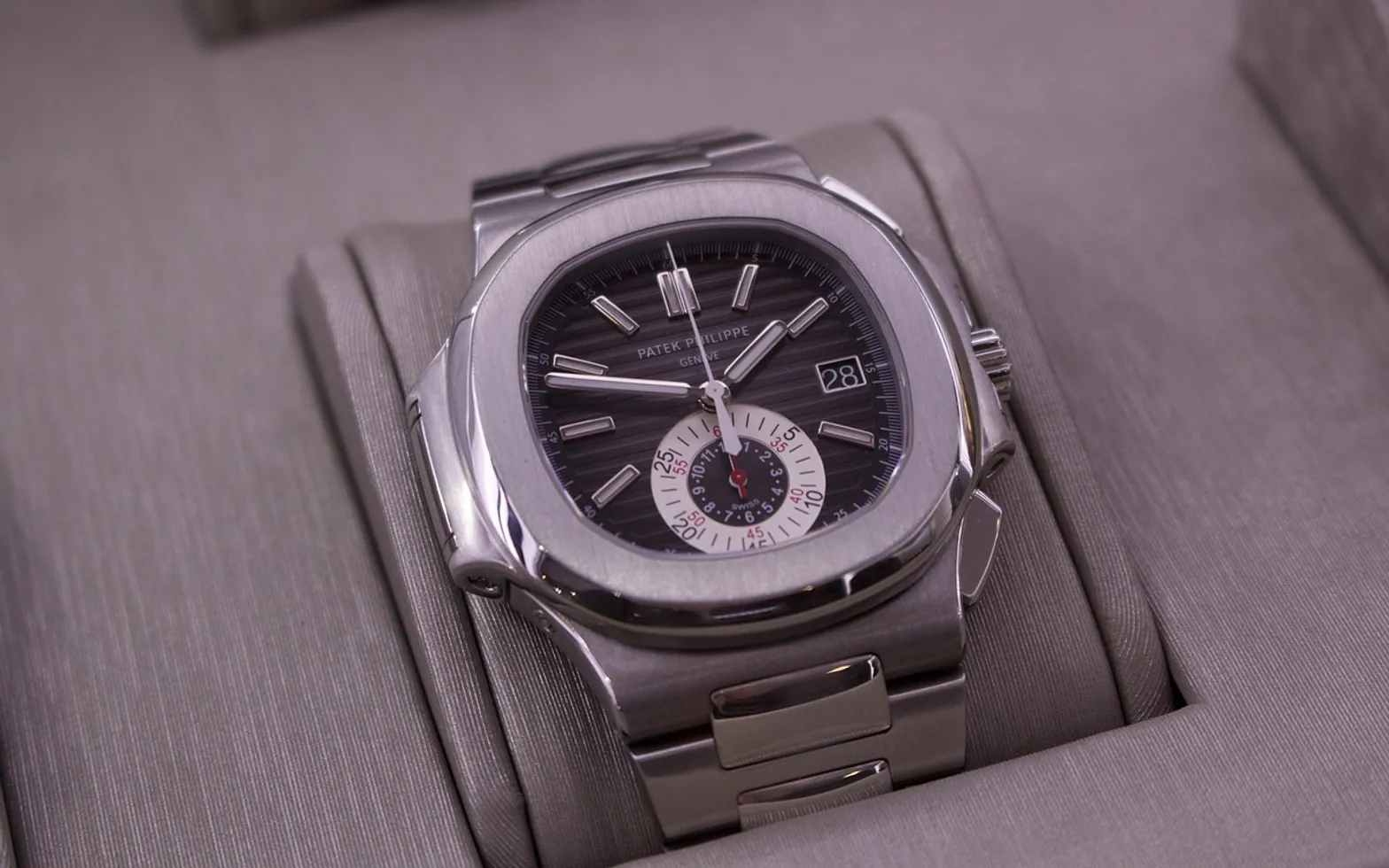
Your wrist measurement is the starting point for choosing a watch case size and strap length, whether you prefer the style described in our look at automatic watches through the decades or a practical alternative explained in quartz vs automatic watches. Head measurements matter for safety gear too: a helmet that fits properly sits snugly without pressure points, as covered in our guide to choosing a skydiving helmet.
Common mistakes
- Measuring over bulky clothes or a thick jumper.
- Letting the tape slope down at the back.
- Pulling the tape tight to get a "better" number, which leads to clothes that pinch.
- Using measurements from years ago. Bodies change, so re-measure every so often.
- Ignoring care instructions after buying; a garment that fits can still shrink. Our guide to laundry symbols helps keep it the right size.
Common questions
Should I round up or down?
Record the real number, then let the size chart decide. When a garment will be tailored, starting slightly larger gives more room to work with.
Can I measure myself without help?
Yes for chest, waist, hips, thigh, wrist and head. Shoulders and sleeves are much easier with a second person.
Latest by topic
Editor’s picks
 FashionLaundry Symbols Explained: How to Read a Clothing Care Label5 min
 EntertainmentIPTV in Belgium: The New Standard for Home Entertainment2 min
 Guides & TipsEnhancing Query Performance in Vector Databases for RAG Systems2 min
 Guides & TipsChoosing Plumbing Services With Confidence: Signals of Quality, Value, and Long-Term Care2 min