How to Remove Pilling From Clothes and Stop It Coming Back
Those little bobbles of fuzz come off in minutes with the right tool. Why fabric pills, how to de-pill safely, and the washing habits that keep it away.
· 4 min
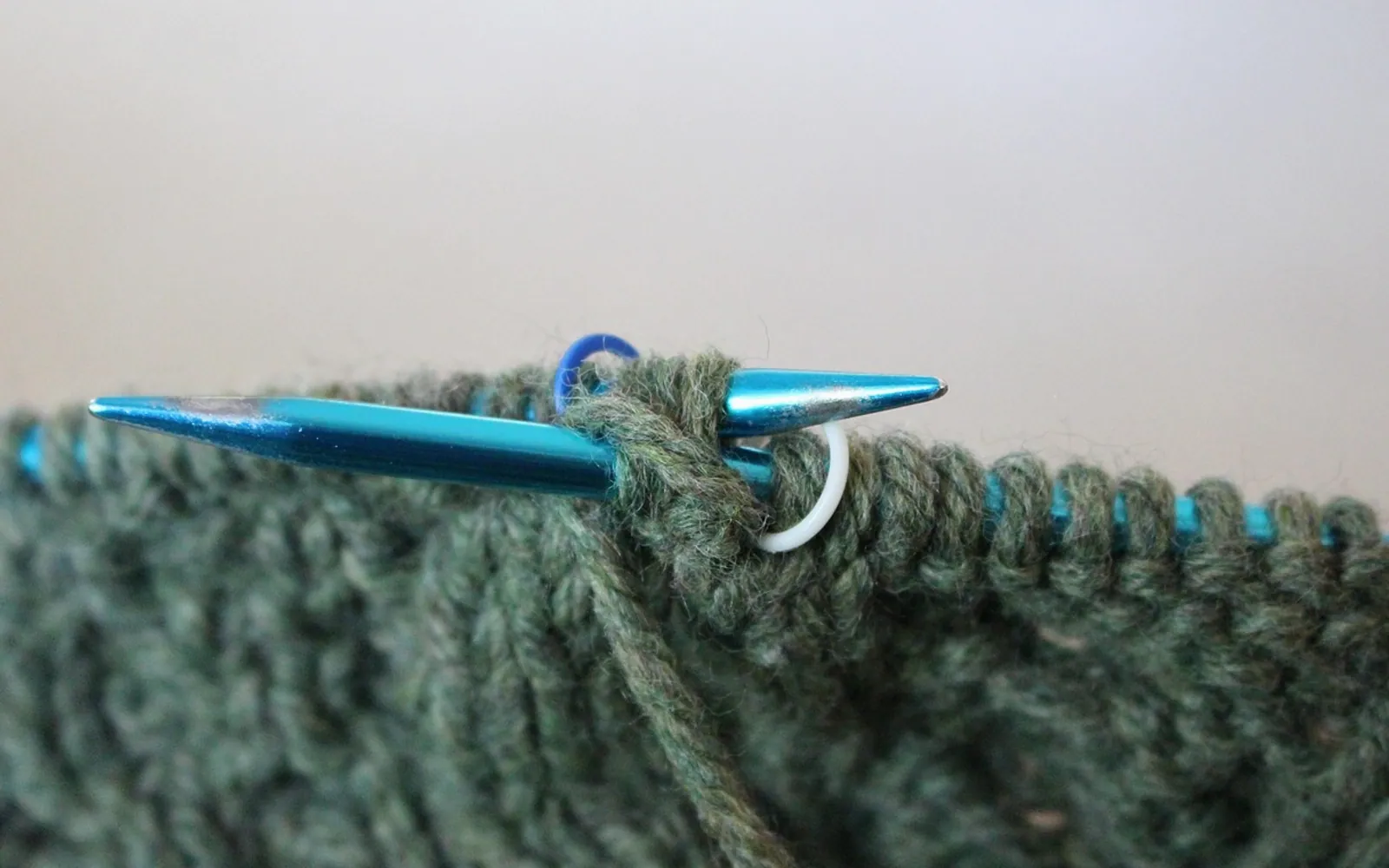
Pilling, the small bobbles of fuzz on sweaters, leggings and sofa throws, comes off most easily with a fabric shaver, a sweater comb or a pumice-style sweater stone, used on a flat surface with light strokes. The harder part is slowing it down, and that comes down to friction, fibre choice and the way a garment is washed.
Why clothes pill
Every fabric has loose fibre ends on its surface. When the fabric is rubbed, at the underarm, between the thighs or under a bag strap, those ends work loose and twist together into tiny balls. Whether the balls stay put depends on what anchors them.
- Short fibres have more loose ends, so they tangle more easily.
- Loose knits and brushed fabrics expose more fibre to friction than tight weaves do.
- Blends with strong synthetic fibres hold on to pills. In natural fibres, bobbles tend to break away by themselves; polyester or nylon in the mix can keep them attached.
- Washing with rough items adds friction you never see.
Pilling is not always a sign of poor quality. Soft wool and cashmere often pill in their first weeks of wear as loose fibres work out, and it usually settles once those have been removed.
Tools that work, compared
| Tool | Best for | Watch out for |
|---|---|---|
| Electric fabric shaver | Large areas: sweaters, throws, leggings | Pressing too hard can nick thin knits |
| Sweater comb | Fine wool and cashmere | Slower; work in short strokes |
| Sweater stone | Chunky knits and wool coats | Too rough for delicate weaves |
| Disposable razor | Small patches on sturdy fabric | Easy to cut through; a last resort |
| Lint roller or tape | Lifting loose fluff after de-pilling | Won't remove attached pills on its own |
How to remove pilling step by step
- Lay the garment flat on a table or ironing board and smooth out wrinkles. Bunched fabric is where tools catch.
- Test a hidden area such as an inside hem to see how the fabric responds.
- Work in one direction with light, even strokes. Let the tool glide; the weight of a shaver head is usually enough.
- Keep the surface taut with your free hand on loose knits.
- Empty the catcher often on an electric shaver, otherwise it stops cutting cleanly.
- Finish with a lint roller to collect the loose fluff.
Stop when the surface looks even. Each pass removes a tiny amount of fibre, so going over the same patch again and again thins the fabric.
How to prevent pilling
Wash with less friction
- Turn knitwear and leggings inside out before washing.
- Use a gentle or wool cycle with a lower spin, and don't overload the drum.
- Keep jeans, towels and anything with zips or hook-and-loop fastenings away from soft fabrics, or put delicates in a mesh bag.
- Follow the care label; our guide to reading laundry symbols explains what the lines under the washtub are asking for.
Dry more gently
Tumble drying adds heat and constant rubbing. Drying knitwear flat and leggings on a rack cuts down on both.
Wear and store with care
- Rotate favourite sweaters instead of wearing the same one every day; fibres recover between wears.
- Notice friction points: a cross-body bag, a rough chair back, a seatbelt on long drives.
- Fold knitwear rather than hanging it, so shoulders don't stretch and fibres aren't strained.
Travel is hard on fabric too. Long days with backpack straps and dusty vehicles call for sturdier, tightly woven layers, so if you are packing for something like a safari in Tanzania, leave the most delicate knits at home.
Buying clothes that pill less
A few checks in the shop help:
- Feel the surface. A smooth, tight knit usually wears better than a very fuzzy one.
- Read the fibre content. Long-staple fibres such as merino wool or combed cotton tend to pill less than short, loose ones.
- Rub a small area between finger and thumb. If fibres lift right away on the rail, they will lift faster in wear.
Close-fitting pieces made from smooth microfibre are less prone to pills than brushed fabrics; our guide to choosing a shapewear bodysuit looks at fabric choices in more detail.
Common questions
Does fabric softener stop pilling?
It can make fibres feel smoother, but it doesn't change the main cause, which is friction. Gentle washing and drying make a bigger difference.
Is it safe to use a razor?
On sturdy fabric, used lightly on a flat surface, it can work. On thin knits a dedicated shaver or comb is far less likely to cut a hole.
Why do new sweaters pill fastest?
Loose fibres left over from manufacturing work their way out first. Once they have been removed, many sweaters pill much less.
Can badly pilled clothes be saved?
Usually, yes. A careful de-pilling session can make a tired sweater look close to new, as long as the fabric underneath hasn't worn thin.
Latest by topic
Editor’s picks
 FashionLaundry Symbols Explained: How to Read a Clothing Care Label5 min
 EntertainmentIPTV in Belgium: The New Standard for Home Entertainment2 min
 Guides & TipsEnhancing Query Performance in Vector Databases for RAG Systems2 min
 Guides & TipsChoosing Plumbing Services With Confidence: Signals of Quality, Value, and Long-Term Care2 min