From Storm to Stability: Community Focused Water Restoration Near Me
A burst water main or a night of torrential rain rarely affects a single house. Often an entire street, apartment block or neighbourhood wakes to the same problem at once. In those…
· 2 min
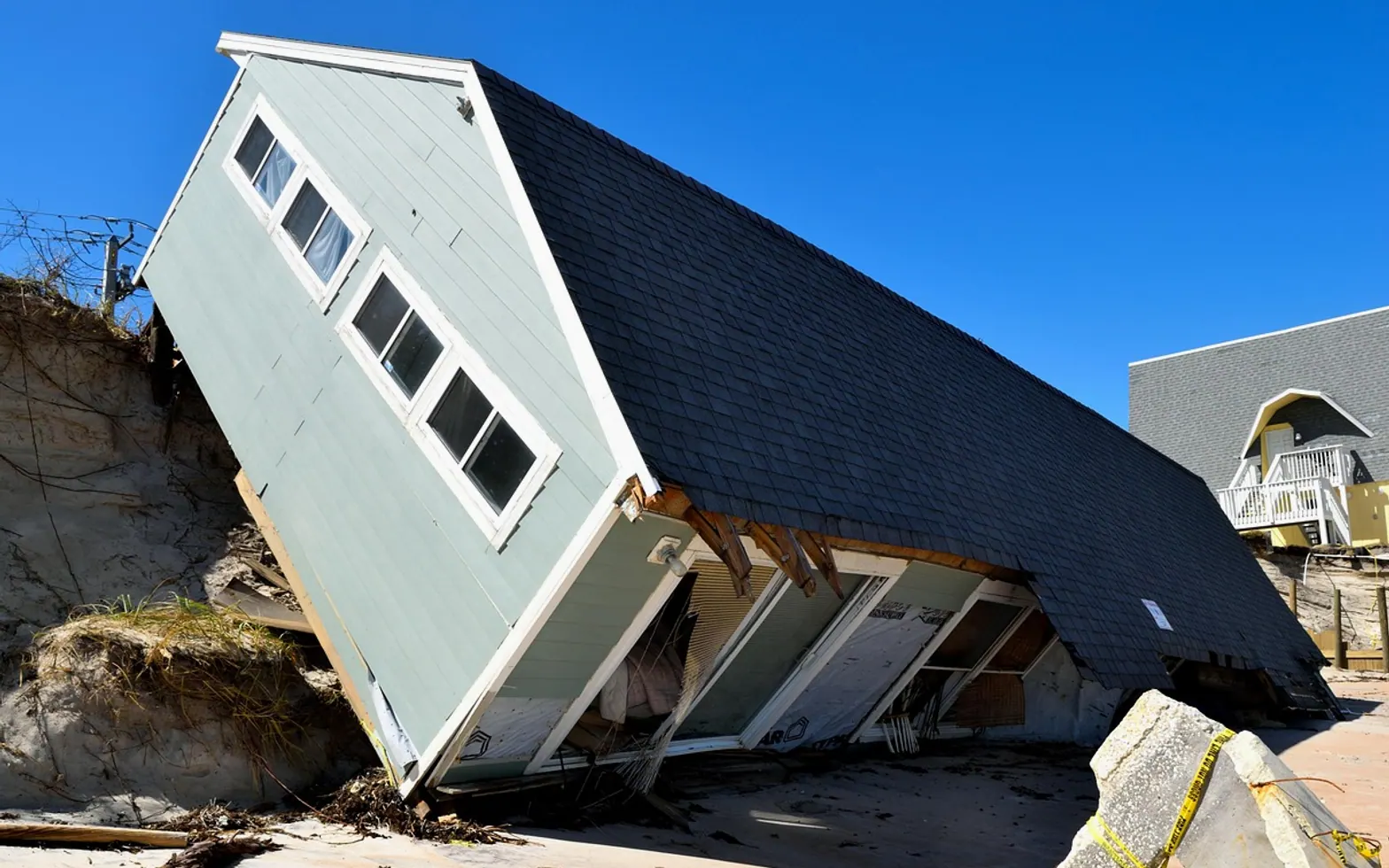
A burst water main or a night of torrential rain rarely affects a single house. Often an entire street, apartment block or neighbourhood wakes to the same problem at once. In those moments, a coordinated community response can make recovery faster, safer and less overwhelming than every household acting alone.
Preparation before the season turns
Residents' associations and building committees can do a lot of groundwork while skies are clear:
- Map and label main water shut-off valves and electrical panels, and share the information with residents.
- Keep a small stock of shared equipment such as wet vacuums, squeegees and sandbags.
- Compile a contact list of vulnerable neighbours who may need extra help.
- Agree on a communication channel, such as a group chat or notice board, for urgent updates.
These steps cost little but save precious time when water starts rising.
The first hours: safety first
Once flooding occurs, personal safety outranks property. Avoid walking through standing water where electrical hazards may exist, and do not enter buildings with structural damage. Follow guidance from local authorities and emergency services. If it is safe to do so, shut off water and power at the source, move valuables to higher ground and photograph damage for insurance purposes before cleanup begins.
Why coordination works
When many properties are affected, contractors and equipment are in high demand. Groups that organise together can share information about which areas are hardest hit, prioritise the most vulnerable households and make it easier for restoration teams to work efficiently across neighbouring properties. Searching for water restoration near me during a widespread event can return many options; a community that has already researched local providers can act faster and with more confidence.
Drying out properly
Visible water is only part of the problem. Moisture trapped in walls, floors and insulation can lead to mould and structural issues later. Professional restoration usually involves:
- Extracting standing water.
- Removing damaged materials that cannot be saved.
- Drying with air movers and dehumidifiers.
- Measuring moisture levels until they return to normal.
- Cleaning and sanitising affected areas, especially after contaminated floodwater.
Ask any provider how they verify that drying is complete before rebuilding begins.
Looking after people, too
Flooding is stressful. Displacement, damaged belongings and insurance paperwork take a toll. Neighbours checking on one another, sharing meals or offering a spare room can ease the strain. Floodwater may carry sewage or chemicals, so anyone feeling unwell after contact should seek medical advice.
Learning for next time
After recovery, gather residents to review what worked and what did not. Updating contact lists, replacing used equipment and noting drainage issues to report to local authorities helps the whole community be better prepared the next time a storm arrives.
Latest by topic
Editor’s picks
 FashionLaundry Symbols Explained: How to Read a Clothing Care Label5 min
 EntertainmentIPTV in Belgium: The New Standard for Home Entertainment2 min
 Guides & TipsEnhancing Query Performance in Vector Databases for RAG Systems2 min
 Guides & TipsChoosing Plumbing Services With Confidence: Signals of Quality, Value, and Long-Term Care2 min