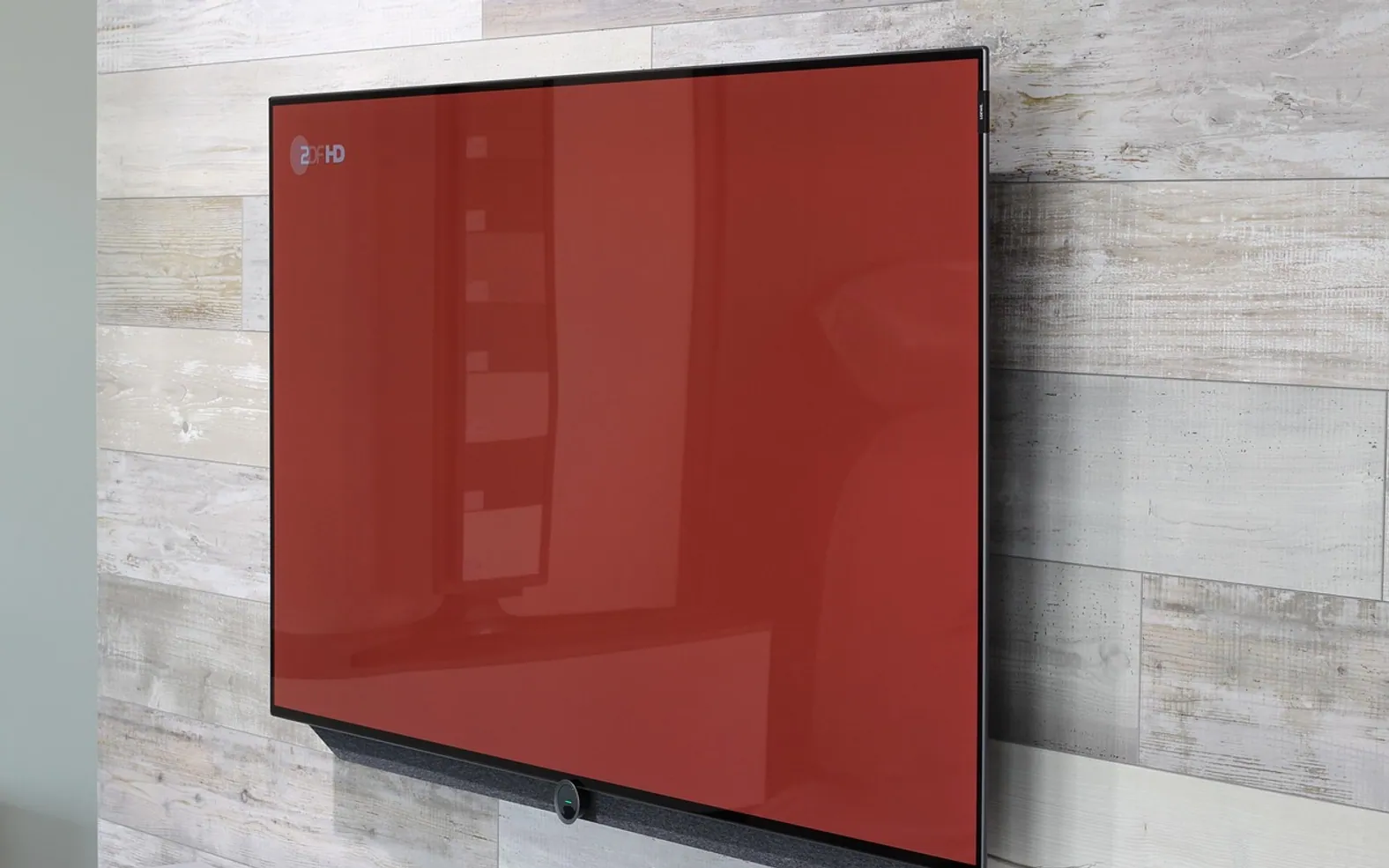
Future of IPTV in Germany: Cloud Delivery, Personalization, and Fair Access
"What will television look like in ten years?" is a question that usually invites guesswork. In Germany, however, several concrete developments already point the way: expanding fibre networks, platforms that run largely…
· 2 min

"What will television look like in ten years?" is a question that usually invites guesswork. In Germany, however, several concrete developments already point the way: expanding fibre networks, platforms that run largely in the cloud and software that adapts to individual viewers. Internet-delivered television sits where all three meet.
Less hardware, more software
Traditional TV platforms relied on set-top boxes that needed replacing every few years. Newer Smart IPTV approaches move much of the work to remote servers. The interface can be updated without changing the box, recordings live in the cloud rather than on a hard drive, and the same account works on a smart TV, laptop or phone. For households, that can mean fewer cables, fewer devices and quicker access to new features.
Personalisation with limits
Recommendation engines are getting better at suggesting programmes based on viewing history, time of day or the profile in use. Done well, this helps people find shows they would otherwise miss. Done badly, it narrows choices and raises privacy concerns. Germany and the wider EU have strict data protection rules, and viewers are entitled to know what is collected and why. Useful features to look for include:
- Separate profiles for each household member.
- Clear settings to pause or reset viewing history.
- Recommendations that can be switched off entirely.
- Transparent privacy information in plain language.
Fair access for everyone
The future of television should not leave anyone behind. Accessibility features such as subtitles, audio description, adjustable text size and simple navigation matter to older viewers and people with disabilities. Rural areas still depend on broadband expansion, so quality IPTV relies partly on infrastructure investment. Services that adjust streaming quality to the available connection help viewers with slower lines.
The legal framework stays central
Choosing IPTV as a main source of television makes it more important to check that the provider is operating lawfully. A legitimate service holds the distribution rights for its channels, publishes an imprint and terms as required in Germany and offers proper customer support. Viewers should confirm a provider is licensed or authorised to offer its channels in Germany before subscribing.
Questions to ask a provider
- Which devices are supported now, and how long will they receive updates?
- Where are recordings stored, and how long are they kept?
- What personal data is collected, and can I control it?
- Which accessibility features are available on each device?
- What are the contract length and notice period?
An evolving picture
Nobody can predict every twist, but the direction seems clear: more flexibility, more choice and more software-driven features. The best outcome for German viewers will combine those benefits with strong privacy, genuine accessibility and services that operate within the law.
Latest by topic
Editor’s picks
 FashionLaundry Symbols Explained: How to Read a Clothing Care Label5 min
 EntertainmentIPTV in Belgium: The New Standard for Home Entertainment2 min
 Guides & TipsEnhancing Query Performance in Vector Databases for RAG Systems2 min
 Guides & TipsChoosing Plumbing Services With Confidence: Signals of Quality, Value, and Long-Term Care2 min